
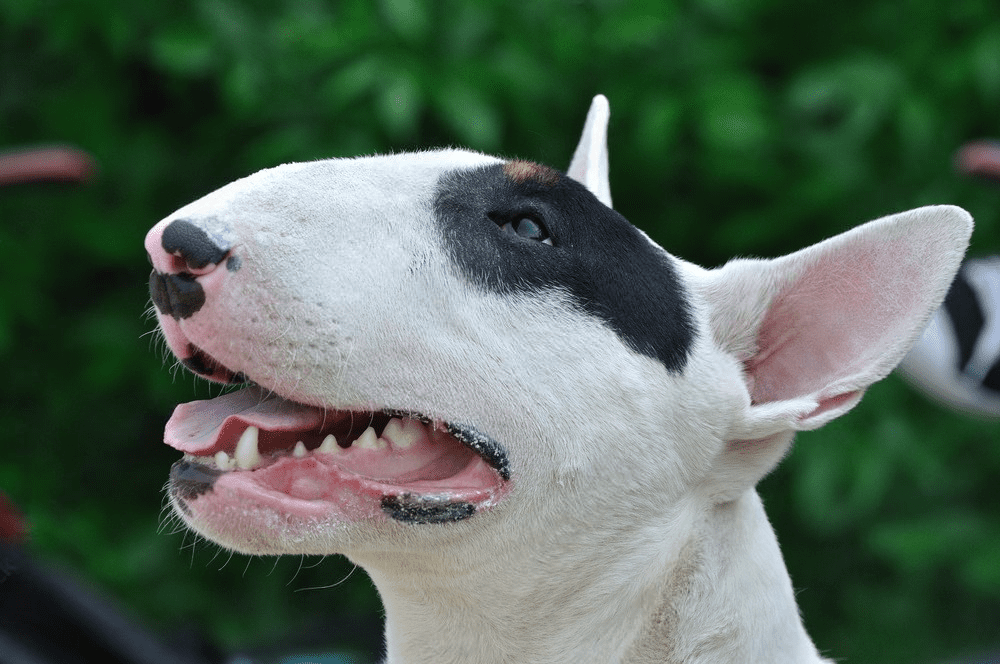
Dogs’ ears are not only impressive for their acute hearing but also for their complex and powerful muscle structure. These muscles help dogs express emotions, communicate, and even improve their hearing by adjusting the position of their ears. Let’s explore the fascinating world of ear muscles in dogs!
- The Auricular Muscles
The auricular muscles are a group of muscles around the ear that help adjust its position. These muscles control the movement and orientation of each ear, allowing it to stand erect or move independently. This flexibility helps dogs direct their ears toward specific sounds, enhancing their ability to locate and interpret noise. - The Levator Auris Longus: The Lifter
The levator auris longus is a critical muscle for raising the ears. This muscle pulls the ear upwards, helping to keep it in a vertical position. In breeds with naturally erect ears, like German Shepherds, this muscle is particularly strong and active, playing a central role in keeping the ears upright and alert - The Frontalis Muscle: The Expression Enhancer
While not directly responsible for keeping the ear erect, the frontalis muscle contributes to the positioning of the head and ears. This muscle, located on the forehead, helps with facial expressions and can slightly influence the positioning of the ears. When a dog raises its eyebrows or changes its expression, the frontalis muscle is often at work. - A Network of Over a Dozen Muscles
Dogs have over a dozen muscles dedicated to ear movement. This intricate muscle structure gives them exceptional control over their ears, allowing them to position each ear independently and “scan” for sounds without moving their head. - 360 Degrees of Hearing Precision
With such flexible ear muscles, dogs can hear from all directions. They can rotate each ear to capture sound waves with impressive precision, giving them a 360-degree auditory range and helping them pinpoint sounds with ease. - Auricular Muscles for Mood and Communication
Beyond hearing, ear muscles are crucial for body language. Dogs use their ears to communicate emotions like alertness, playfulness, and submission. Ears held forward show interest or excitement, while ears pinned back can indicate fear or uncertainty. - Dogs with Droopy Ears Still Have Active Ear Muscles
Even droopy-eared breeds like Basset Hounds and Bulldogs have auricular muscles, though their ears don’t stand up. They can still adjust their ear position slightly, allowing them to detect sounds and express subtle emotions.

So, next time you see a dog perk up its ears or tilt its head, remember the complex system of auricular muscles at work, helping them hear, communicate, and respond to the world around them!
Read next :

Bull Terrier Training Guides: The Instruction Manual Owners Actually Need
Bull Terriers don’t come with an instruction manual, but sometimes it feels like they should. This guide explains why breed-specific understanding matters, what good Bull Terrier training guides should teach, and how to choose the right starting point for your dog.


Funny Until It Isn’t: 10 Bull Terrier Habits That Quietly Become Training Problems
Many Bull Terrier habits begin as funny, harmless moments. Learn how stealing, demanding attention, ignoring commands and overexcitement can quietly become real training problems.

7 Signs Your Bull Terrier Has Quietly Become CEO of the House
Does your Bull Terrier control the sofa, walking route, visitor policy, attention schedule and payment terms? Discover seven funny signs that your dog may be running the house—and how to restore clearer rules without becoming harsh.
Leave a Reply