







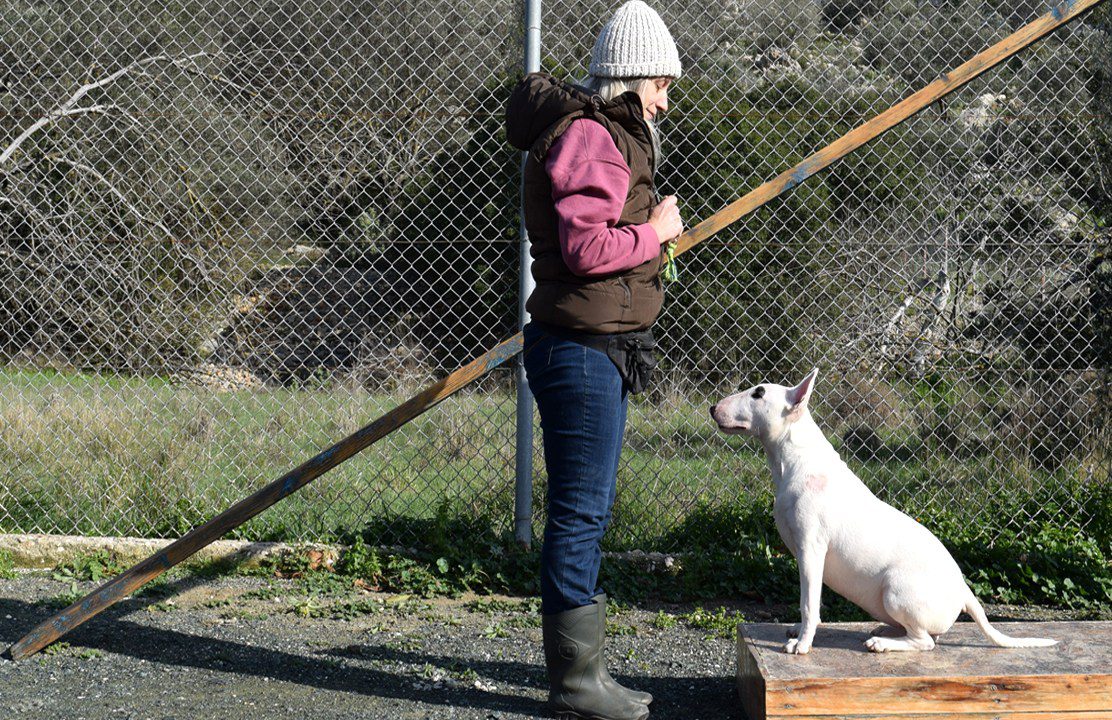
Why Most Bull Terrier Training Fails—and How to Fix It
Training a Bull Terrier isn’t about control. It’s about communication.
If you’ve ever found yourself thinking, “My Bull Terrier is smart, but they just won’t listen,” you’re not alone. It’s one of the most common frustrations we hear—from first-time owners to experienced trainers.
The good news? Your dog isn’t broken. And they’re not too stubborn. What’s usually missing is the right foundation.
At Working Bull Terriers Kennel, we’ve spent over 20 years training Bull Terriers—dogs people once called “impossible to train.” Through that experience, we developed a method that works with the breed’s unique personality, not against it.
We call it: The B.E.D.F. Method.
✅ B is for Bond
Before you can teach anything, you need trust. Real trust.
Bonding goes beyond feeding and walking your dog. It’s about shared time, calm interactions, and building a sense of safety. Whether you’re playing, grooming, or just hanging out without distractions—your Bull Terrier needs to feel that connection.
Ask yourself:
- Does your dog follow you around the house?
- Do they relax near you without needing attention?
- Do they seek you out when unsure?
If the answer is yes, you’ve laid the foundation. If not, that’s your starting point.
✅ E is for Engagement
A Bull Terrier that’s not engaged is a Bull Terrier that’s not learning.
Engagement means your dog chooses to pay attention to you—even when the world is exciting. That doesn’t come from dominance. It comes from being interesting, fun, and worth focusing on.
Use toys. Be silly. Mark eye contact and reward it. Every moment of connection is one step closer to training success.
🐾 Tip: Make your presence the most rewarding thing in the room.
✅ D is for Drive
Drive is your dog’s motivation.
Some Bull Terriers go crazy for tug toys. Others will work for bits of chicken. A few just want your praise or a belly rub. The key is to discover what your dog loves and use it strategically.
If you’re training with boring treats in a distracting environment, you’re setting yourself up for frustration. But if you’re using something your dog really wants, training becomes a game they can’t wait to play.
🎯 Motivation fuels progress. Don’t skimp on it.
✅ F is for Focus
Focus is the glue that holds everything together.
Once your Bull Terrier trusts you, engages with you, and is excited by rewards, you can begin building sustained focus. Start in quiet spaces and reward attention. Then gradually introduce distractions.
You’ll notice your dog checking in with you more. Holding eye contact. Waiting for the next cue. That’s when training takes off.
🧠 A focused Bull Terrier is a trainable Bull Terrier.
Why This Method Works (When Others Don’t)
Many owners (and even trainers) try to teach commands too early—without any bond, without engagement, and with little motivation. They get frustrated. The dog checks out. And both sides lose trust in the process.
The B.E.D.F. Method flips that script.
It creates a framework that prepares your dog to want to learn. And that’s when the magic happens.
📘 Want to Learn More?
We break this down step-by-step in our new eBook:
The Bull Terrier Training Guide: Step by Step
By the Working Bull Terriers Kennel team

✅ Real techniques from real trainers
✅ Private video tutorials included
✅ Bonus: Personal guidance for readers
✅ Built specifically for Bull Terriers
Final Thoughts
Your Bull Terrier isn’t stubborn. They’re smart. Curious. Emotional. And once you understand their mind—and build the right foundation—you’ll be amazed at what you can accomplish together.
Training isn’t about controlling your dog.
It’s about building a relationship that lasts a lifetime.


Leave a Reply