







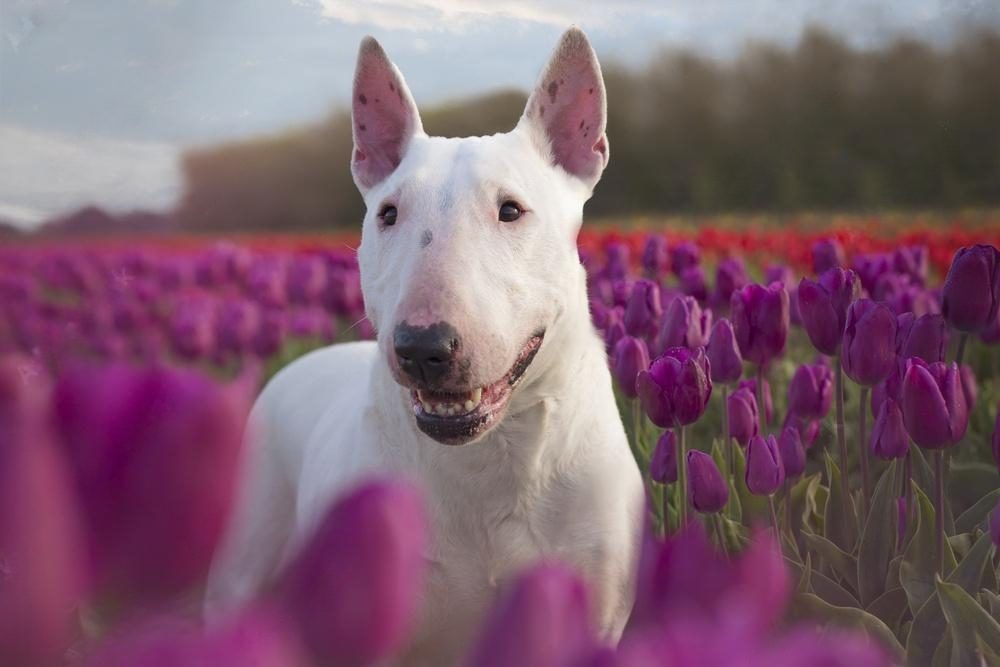
How Thyroid Imbalance Affects Your Dog’s Behavior
By Working Bull Terriers Kennel
Have you ever noticed sudden, unexplained changes in your dog’s behavior? Maybe they’ve become anxious, irritable, or just not themselves—yet you can’t figure out why.
At Working Bull Terriers Kennel, we train a great number of Bull Terriers and we see dogs whose mysterious mood or energy level shifts turned out to be linked to thyroid hormone imbalance.
This article will walk you through what thyroid imbalance is, how it can affect your dog’s behavior, and why even a healthy-looking dog can be affected.
Understanding the Thyroid and Its Role
The thyroid is a gland located in the neck that produces hormones primarily referred to as T3 (triiodothyronine) and T4 (thyroxine). These hormones are key players in regulating your dog’s metabolism, energy levels and overall body functions. When everything is running smoothly, your dog’s thyroid keeps them active, healthy, and mentally balanced. However, if something disrupts the production of these hormones, it can cause health and behavior issues.
Hypothyroidism: The Most Common Thyroid Issue in Dogs
Hypothyroidism occurs when the thyroid gland does not produce enough T3 and T4. This shortfall can affect numerous areas of a dog’s health, from their coat and skin condition to their temperament and energy levels. Many people assume that only overweight dogs become hypothyroid, but that is a myth. Your dog may appear physically fit and still have an under active thyroid.

Ready to become the ultimate Bull Terrier Owner ?Our 20 Essential Rules for Bull Terriers Owners eBook reveals proven tips to raise a healthy ,happy pup from training tactics to socialization secrets. Click here to grab your copy now and transform your Bull Terrier experience !
Common Signs of Hypothyroidism
Lethargy and Low Energy: Dogs might seem lazy or reluctant to join in activities they once loved.
Behavioral Changes: Some dogs become anxious, irritable, or unusually aggressive. Others may show signs of depression or confusion.
Skin and Coat Problems: You might notice dry skin, thinning hair, or “patchy” hair loss, but not every dog shows these symptoms clearly.
Weight Change: Weight gain is classic, but not universal. A dog can remain “in shape” yet become muscle-wasted rather than fat.
Low Tolerance to Cold: Dogs with hypothyroidism can get chilly more easily.
It’s crucial to remember that your dog might display one, several, or none of the above symptoms, and they can vary in intensity.
“But My Dog Is Not Overweight!”
Many people mistakenly believe their dog cannot be hypothyroid if they are not overweight. While it is true that hypothyroidism often causes slowed metabolism and potential weight gain, some dogs stay at normal weight or lose muscle instead of putting on fat.
Genetics, lifestyle, and diet all play a role in how thyroid imbalance manifests. Breeds like Doberman Pinschers, Golden Retrievers, and yes, some Bull Terriers can be especially prone to hypothyroidism—regardless of their waistline.
Hyperthyroidism: Rare but Worth Mentioning
On the flip side, hyperthyroidism—when the thyroid is overactive—is much less common in dogs. It often happens due to thyroid tumors. Dogs with hyperthyroidism may exhibit:
Excessive Energy and Restlessness: Constant pacing or inability to settle down.
Increased Agitation: Dogs might become reactive, barking or whining at the smallest trigger.
Heightened Appetite: They often seem ravenous, which can lead to food-guarding or scavenging behavior.
Even though hyperthyroidism is rare, if your dog is suddenly bouncing off the walls, it’s good to keep this possibility in the back of your mind and discuss with your vet.
Diagnosing Thyroid Imbalance
If your dog’s behavior changes seemingly overnight or you notice subtle signs like a dull coat or nervousness, it is time for a vet visit. A simple blood test measuring T4 and TSH hormone levels can help determine whether the thyroid is functioning properly. Sometimes, more in-depth tests are required if initial results are inconclusive.
Treatment and Management
Hypothyroidism Treatment
Daily Hormone Supplement: Most dogs diagnosed with hypothyroidism need a prescription thyroid hormone supplement (levothyroxine). This medication restores normal hormone levels, often leading to a visible improvement in behavior, energy, and coat health.
Regular Check-Ups: It is essential to monitor your dog’s thyroid levels periodically, as dosing may need adjustment over time.
Hyperthyroidism Treatment
Medication or Surgery: If a tumor causes hyperthyroidism, your vet might recommend surgery, radioactive iodine therapy, or medications that reduce thyroid hormone production.
Dietary Management: Special diet can help in some cases, but more serious interventions are often required.
Why This Matters for Your Dog’s Well-Being
Behavioral challenges can be frustrating, but they are not always “bad behavior”. They sometimes are a cry for help from a medical standpoint. Thyroid imbalance can make your dog feel out of sorts, anxious, or physically uncomfortable. By ruling out -or confirming- thyroid issues, you can ensure you are treating the root cause rather than simply managing symptoms.
At Working Bull Terriers Kennel, we encourage dog owners to stay vigilant. If you observe sudden or uncharacteristic changes—whether behavioral, coat condition, or overall vitality—talk to your veterinarian about a thyroid check. Early detection and proper treatment can dramatically improve your dog’s quality of life.
Final Thoughts
Thyroid hormones are crucial for keeping your dog’s mind and body in harmony. Remember: Hypothyroidism is more common than hyperthyroidism in dogs.
Not all hypothyroid dogs are overweight. It is a myth that could delay important diagnosis. A simple blood test can reveal if the thyroid gland is to blame for puzzling behavior changes.
By understanding how a dog’s thyroid can impact their behavior, you will be better equipped to help your dog live a happier, healthier life. If you suspect any issues or just have concerns, reach out to your vet and request a thyroid function test. You and your best friend both deserve the peace of mind that comes from addressing potential problems early.
Thank you for reading! We are always happy to offer helpful information on how to care for and live with your Bull Terriers. For more tips on keeping your Bull Terriers – and all dog breeds- happy and healthy, stay tuned to our blog at Working Bull Terriers Kennel.


Leave a Reply