







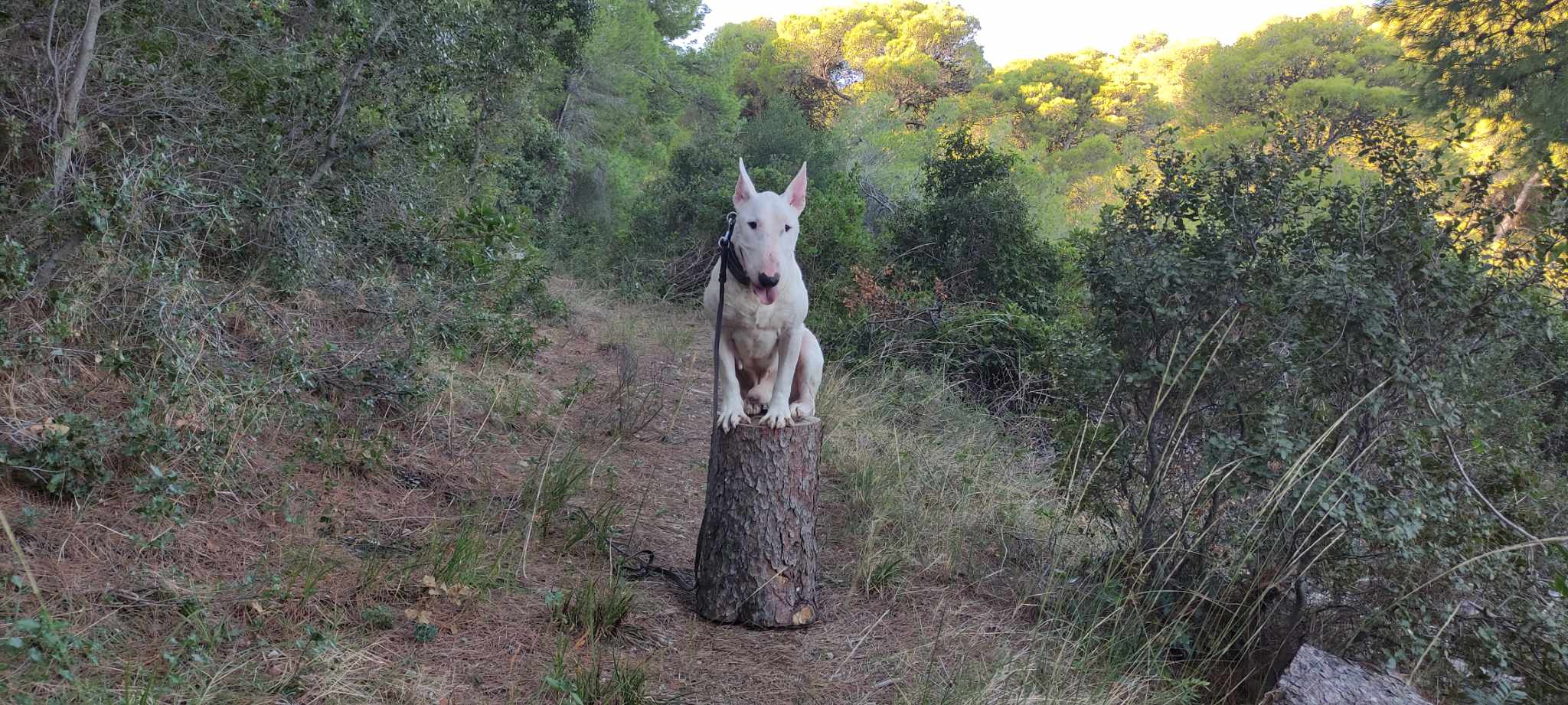
Useful advice on hiking with your dog
Spending time in nature and adding some more everyday exercise is beneficial for dogs and dog owners alike. Hiking is a very good choice.
Hiking with your dog is a very pleasant activity and very good aerobic exercise. Even though the activity is easy, we will share advice to make sure your excursions in nature are always pleasant and safe.
Trails are public, which means you may come across other hikers and dogs. Your dog should always be on a leash. Off leash is acceptable only if you have perfect recall. Perfect recall means the dog will immediately come when you call and wait to be leashed. No matter how friendly your dog is, it is your responsibility to make sure your dog does not approach other people and dogs on the trail. Some people are afraid of dogs, some dogs do not like making new friends. They should be respected. Never leave off leash a dog that chases other animals. Respect and protect other animals and your dog.

Before going out, make sure you have everything you are going to need. A first aid kit, an extra leash and collar, water and bowl, snacks for the dog and yourself if you are going to be out for longer periods of time. Always inform a family member or friend about the trail you are going to take and how long it is going to take you. Get information about wildlife and poisonous for dogs vegetation in the area.

Start by taking short distance trails and gradually increase the distance you will cover. Depending on your dog’s physical condition, a preparatory period to improve the dog’s endurance may be required, before the dog can follow you on long distances. Always take into consideration the season and weather conditions in your area. Hot and humid days bare the danger of heatstroke while staying out for long periods of time on very cold days may cause hypothermia.
Always keep a close eye on your dog for signs of fatigue, regardless of the weather conditions, the dogs physical condition and the distance. If you notice signs of fatigue, immediately take a break. Give the dog time to rest and regain his strength.
Signs of fatigue to keep an eye for:
1.Excessive panting or labored breathing
2.Bright red or purple, gray, blue gums
3.Rapid pulse rate
4.Drooling
5.Clumsiness
For long distance trails, where you may need more water and snacks, the dog can wear a special dog backpack and carry some of the weight. Theoretically, a healthy adult dog can carry 25% of his body weight. We suggest you stay on the safe side and have the dog carry no more than 10% of his body weight.
You can use the same backpack on short distance hikes to make the exercise a little more demanding. The dog will spend more energy in a shorter period of time. You can do this for yourself too, add some weight to your backpack. Anyone interested can look into the benefits of “rucking” (walking with extra weight).

Leave no trace. Clean up after your dog. Do it for yourself, since you will be walking those trails again and for others because you ought to be considerate of others too. Some may think there is no reason to clean up after your dog in a natural environment because wild life does not and it will be assimilated. But this is not how things work. Wild animals consume food that comes from their environment, so when they poop, they are simply returning the same resources back to the ecosystem. Most dogs, however, eat kibble. Kibble contains nutrients like nitrogen and phosphorus, which can cause algae blooms and invasive species, both of which negatively affect native species. Additionally, dog poop contains bacteria, which can spread disease, pollute soil, and contaminate water.
Wishing you enjoyable and safe hikes!

Leave a Reply