

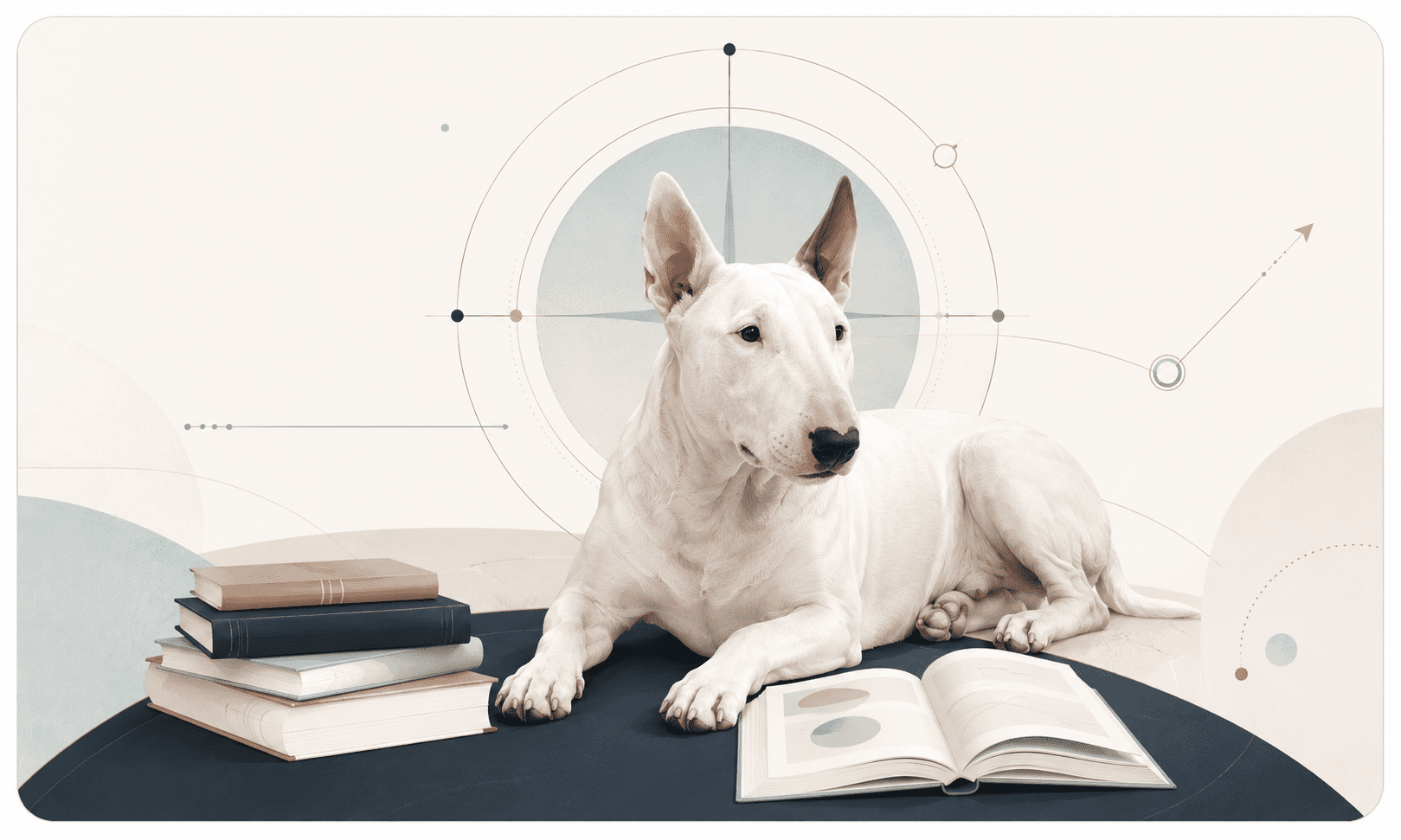






Choosing the wrong breed, choosing the wrong dog and the lack of necessary preparations before the dog’s arrival at his new home.
Many people will choose a dog solely on appearance without consideration of the breed’s temperamental characteristics. This results in having a dog they cannot handle and/or a dog that does not fit their lifestyle.
Lack of preparations for the coming of the dog into one’s life creates a chaotic and stressful situation for dog owners and their new family member alike. A puppy has immediate needs that need to be addressed the moment he enters your life. Being unprepared to promptly address those needs will have the dog owner search for solutions of the last minute creating a stressful environment for both the puppy and them.
So, what can you do to avoid being caught into a stressful mess?

Before you decide what dog breed to chose make as extended a research as possible. Contact breeders to learn more about the breed from people with experience. Contact dog owners and try to actually meet some dogs. Visit your local Dog Show to see specimens of the breed, meet breeders and dog owners and listen to what they have to say. Talk with professional dog trainers and ask their opinion on the breed you are interested in.
Ignore the phrase “Talk with professional dog trainers and ask their opinion on the breed you are interested in.” if you are interested in getting a Bull Terrier. Most dog trainers cannot train the Bull Terrier so they prefer to blame it on the breed. Unfortunately so but true, the majority of professional dog trainers will tell you the Bull Terrier is impossible to train.
Make sure you have found a veterinarian with experience on the breed of your interest before your dog comes to his new home. Someone you can work with on your new dog’s health and longevity.
Do the same with an appropriate dog trainer. Look for a professional dog trainer with experience on the breed you have chosen before you obtain your dog. Make sure there is proof of their experience, actual dogs of the specific breed they have successfully trained , not just words.
Have the crate, toys and everything you will need ready before the new dog comes to live with you.
Get for your puppy the same food the breeder fed him even if you plan on later changing it. Do so in order to avoid gastrointestinal upset. The environmental change stress alone can cause gastrointestinal upset, there is no need to add the extra stress of food change.
Be sincere towards your breeder and yourself. Be truthful to your breeder without worrying they might not consider you suitable. Be truthful to yourself to avoid overestimating your capacity as a new dog owner. Most breeders will give potential dog owners a questionnaire to answer. Always answer honestly. Think the questions through, without haste. Provide as many information as possible and be truthful to yourself about your capacity to care for the dog you are about to acquire.
If you think you do not have the time and energy to raise a 3-4 months old puppy – with everything a puppy comes with like toilet training, socialization etc – it does not mean you are unsuitable. It means you need to make a wiser choice and get a young adult dog that has already been socialized, trained etc.

Crate training, leash training, obedience training ,socialization, rules.
It is amazing that in the year 2021 there still are dog owners that disagree with Crate Training. Many think of it as imprisonment, depriving their dog their freedom or a means to be used if need be. Therefore, crate training does not happen early in a dog’s life as it should be. And living with a dog lacking proper crate training is sure to bring about trouble.
The right thing to do is start crate training right away. The day your puppy comes into your house. Crate training is above all necessary for your puppy’s safety. When you are away you keep your puppy in his crate away from all the harmful things he would love to chew on. The crate is where the puppy eats and rests , a safe personal space in his new environment. Crate train your puppy with patience and never use this safe place for punishment.
Had we been referring to any other dog breed, Leash Training wouldn’t have been crucially important. But when it comes to Bull Terriers it is of utmost importance! You have all seen a bull terrier refusing to walk or pull like a bull. Most dog owners start leash training after their puppy has concluded vaccination and is allowed to walk outside. So, a puppy wears a collar or harness for the first time at the age of about four months. All of a sudden there is a restriction to his moves the puppy finds very unpleasant. The puppy starts swirling and twirling in an attempt to free himself . The dog owner tries to appease the dog by giving him treats and toys usually to no avail. In order to stop being tortured by the sight of his tormented puppy the dog owner takes off the leash. What has the puppy learned? When they put those “demons” on me – collar, harness, leash- I act like I’m “possessed” and get released.
The right thing to do is to start leash training at the age of two months. Begin by putting on your puppy just a harness. Wear the harness just before his meal so the puppy makes a pleasant association between the new “thing” and his meal. Take the harness off after 2-3 minutes. Put the harness on once the puppy is awake and out of his crate , right before he is free to roam the house or the yard. Generally , put the harness on for very short periods of time and right before something he considers pleasant is going to happen and distract him.
When you have reached the point where the puppy pays no attention to wearing the harness, clip the leash on the harness. Do not hold the leash, let it hang loose and call the dog to come to you , holding his favourite toy or treats. The puppy will soon pay no attention to the leash and this is the right time to hold the leash. Encourage the dog to follow you ,reward, use treats. If you have the puppy on leash without trying to get away for 2-3 meters, take the leash off and let him do whatever he wants. If he resists, do not insist.
Take a few steps to his preferred direction until he feels relaxed and safe. Then call the puppy your way. The moment he takes the first step towards you reward and look very pleased. Remember you are handling a puppy, do not raise your expectations above this fact.
There are two kinds of dog owners in regard to Obedience Training. Those who consider dog training useful once their dog has developed problematic behaviour that needs to be fixed and those who consider training should start after the dog has reached a certain age , for example seven-eight months. Unwanted behaviour will either be dealt with when the dog has reached a certain age suitable for training or in time the dog will outgrow them.

As we have said before, Obedience training is a means of communication between you and your dog. A communication code you need to teach your dog. Obedience training starts within the first week of living together with your dog. Always work with positive incitement and keep your sessions very short , around 2 minutes. Whether it be a puppy or an older dog that has not been trained and is not accustomed to the process, keep your expectations in proportion to the situation.
Do not wait for problems to arise before you start training. Prevention always works better. We train to prevent unwanted behaviour ,to have a harmonious life together and to make both the dog’s and owner’s life easier.
Socialization also sends dog owners to the extremes of having their dogs either under-socialized or over-socialized. Both these extremes can and usually will create problems.
Lack of socialization usually occurs for two reasons. Either socialization starts too late missing the specific socialization periods or a walk in the neighbourhood is mistakenly considered enough socialization. Over-socialization refers to mistakes commonly made by new dog owners in relation to who, how, for how long, under what circumstances.
Who are the dogs and humans that will keep your puppy company, how do they behave, for how long and under what circumstances?
Leaving a puppy to play with all other dogs in the park is incorrect. Some of these dogs are not trained and may exhibit unwanted behaviour the puppy will easily mimic. Some may become aggressive towards a puppy. If the puppy has not had enough – or any at all – play time with their owner, then he will consider that play time is time spent exclusively with other dogs and his only chance to expend energy.
We have referred to important socialization periods and certain ways to safely socialize a puppy before the completion of the vaccination in a previous article of ours. A walk in the park is not enough. A puppy needs to have as many experiences as possible, be exposed to as many different stimuli as possible. A puppy needs to go to the park, the cafeteria, outside a school on leave time when kids of all ages are around, outside a church on Sunday etc.
We only allow a puppy to interact with properly trained dogs that do not exhibit unwanted behaviour or dog aggression. A puppy is allowed to play with other dogs with moderation and only after we have made sure to have spent play time with the puppy ourselves. Make sure to pay regular pleasant visits to the vet with the puppy , other than the vaccination appointments which are not very pleasant.
Do not allow strangers to give your puppy treats and do not give the leash to friends to walk your dog. A puppy is not to be petted by everybody. You can have some people pet the puppy until the age of 4-5 months to avoid seeing people as potential threat.
Do not allow everyone to pet your puppy, you can say “ not now, he is being trained ” . Considering everybody to be their friend makes it very easy for a puppy to follow anyone without hesitation and when called to leave at the park to start visiting all the “friends” he has made to get attention and avoid being leashed.
Establishing Rules is necessary for a smooth cohabitation. Sometimes rules are not followed by all family members or some family members may be considered too young to be expected to follow the rules. Some wait for the dog to grow older before they set rules or expect the dog to make the distinction between family members and their different rules. For example, the kids will let me on the couch but the adults will not.
Rules of behaviour are set on day one and followed by all family members. If a decision has been made that the dog is not allowed on beds , no one allows the dog on a bed with anyone. There are no exceptions to the rules we set. We need to think ahead. While the dog is a puppy it may seem cute to jump on us and give us little love bites. That will very soon change , when the puppy has become an adult having that same behaviour will not be cute anymore.

You will then have to correct a behaviour you have encouraged and is now established and that would be unfair to the dog. We teach from the beginning that jumping on people we meet on walks is not acceptable. Even though most people will smile to a puppy jumping to meet them , when the jumping dog is an adult the reaction will not be the same.
Keep in mind that time flies and before we know it our cute little puppy will have become an adult dog. And all the things we do not mind right now will then not be acceptable. Set and follow the rules from the beginning.
Our aim is for this article to be useful to new dog owners and help owners of adult dogs understand how certain unwanted behaviours have come to be.
Feel free to comment with your questions about things you would like to know about Dog training and the Bull Terrier. We will be more than happy to address your interests in our future posts.
The Working Bull Terriers kennel Team
Leave a Reply